
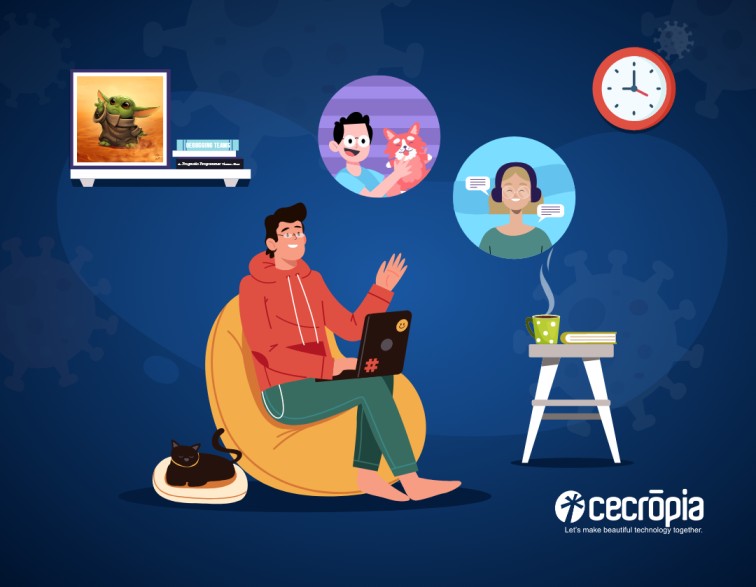
Life changed us all in unexpected ways. The Covid-19 pandemic came into our lives with little or no warning. The virus prevention measures have limited and changed many of our activities and habits. What about you? Do you miss those times when you did more activities outside the home? Are you one of those people who would prefer to work in the work environment of your office but are forced to stay at home? Do you miss those gatherings with your friends when you were the life of the party? Well, you are not alone. Many people are suffering from what has become known as pandemic fatigue.
According to JW.org, pandemic fatigue is not a disease. This term describes the natural reaction of people to the prolonged situation of uncertainty and change that the pandemic has brought about. Everyone is different and everyone reacts differently, but these are some of the most common symptoms:
- Lack of motivation.
- Changes in eating and sleeping.
- Irritability.
- Stress from tasks that were previously not a problem.
- Difficulty concentrating.
- Lack of hope.
What can we do to combat this fatigue and improve our quality of life in the midst of the pandemic? Take note of these four tips to help you:
- Respect physical distance, but do not isolate yourself emotionally.
Stay in touch with your friends either by phone, video call, email or text message. If you are having a bad day, call them. Also ask them frequently how they are doing, how they are doing. Exchange ideas about what is helping them cope with this pandemic. Why not try doing something nice for a friend? You'll find that you'll both feel better.
If you consider yourself a spiritual person, it will serve you well to remember that a biblical proverb says: \"So keep encouraging one another and edifying one another, just as you are already doing" (1 Thess. 5:11). But no matter what kind of person you are, we can all use the kind words of a friend...even if it's through electronic means.
- Organize a routine
For many people, having a routine makes them feel better and gives them stability. However, others find it difficult to maintain a routine when they are always cooped up at home.
Try to make a schedule that fits your current situation. Schedule specific times for schoolwork, employment and housework. And don't forget to make time for yourself and your spirituality. Include other good-for-you activities as well, such as spending time with your family, getting fresh air and exercise. From time to time, review your schedule and make changes as needed.

- Maintain a positive attitude
Do you really miss the activities you can't do now? How about thinking about the activities you can do in a time of pandemic? You could try a new hobby, read that book that has been sitting in the library for a long time with the bookmark halfway through, or dust off your guitar. Would you like to improve your English? Have you said before that you would like to learn Portuguese? On the internet you can get a lot of material for language study, and even social networks to exchange help to practice them. Think of the time you now save by not having to drive to the office or not having to take public transportation and decide to take advantage of it.
- Take care of your visual health
According to a recent study published in the American Journal of Ophthalmology, excess exposure to digital screens and limited outdoor activities are associated with the onset and progression of myopia and may be exacerbated during and after the pandemic period.
The 20-20-20 technique serves to relax the muscles in and around your eyes that allow you to look carefully in the same direction. It consists of looking at something at least 20 feet away, which is about 20 feet, for 20 seconds every 20 minutes.

But let's be honest: do you remember to rest your eyes every 20 minutes? A practical solution to comply with the rule is to set an alarm on your phone. Adapting the font on your computer can also help you keep your eye from straining more than it already does on a daily basis in front of the screen. There is no ideal size that fits everyone, so you should find the one that suits you best, say experts. Adjusting the brightness of the screen to match the level of light where you are is another way to help avoid eye fatigue.
Remember: Even though the pandemic has changed our lives... You are in control! Just follow these tips and you will see results.
